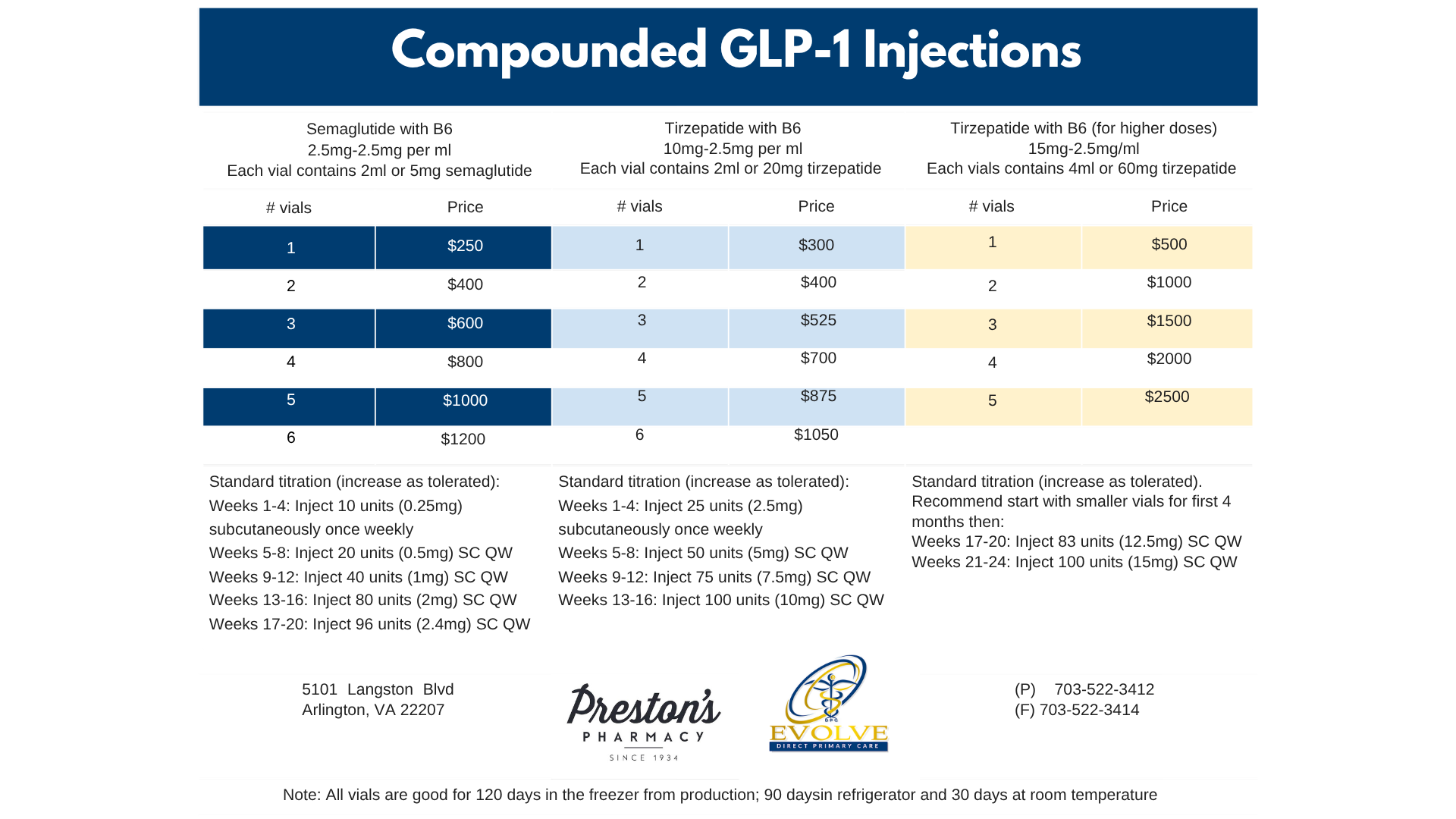
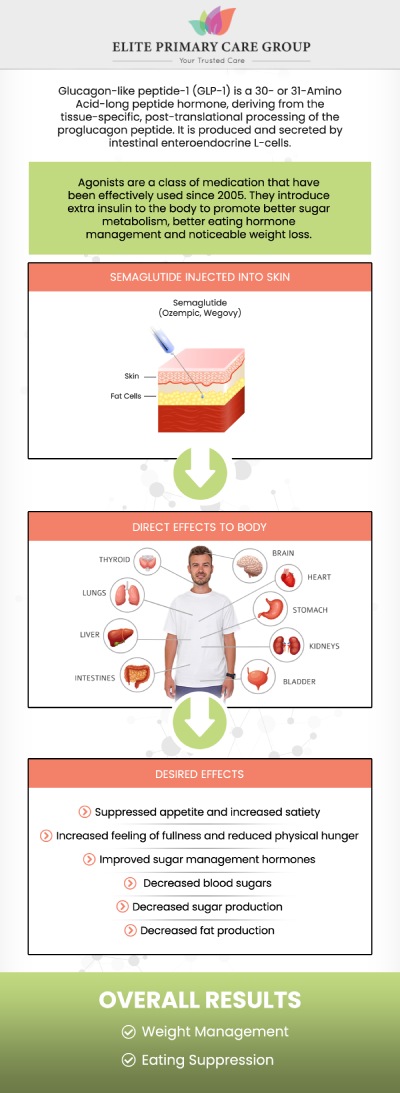
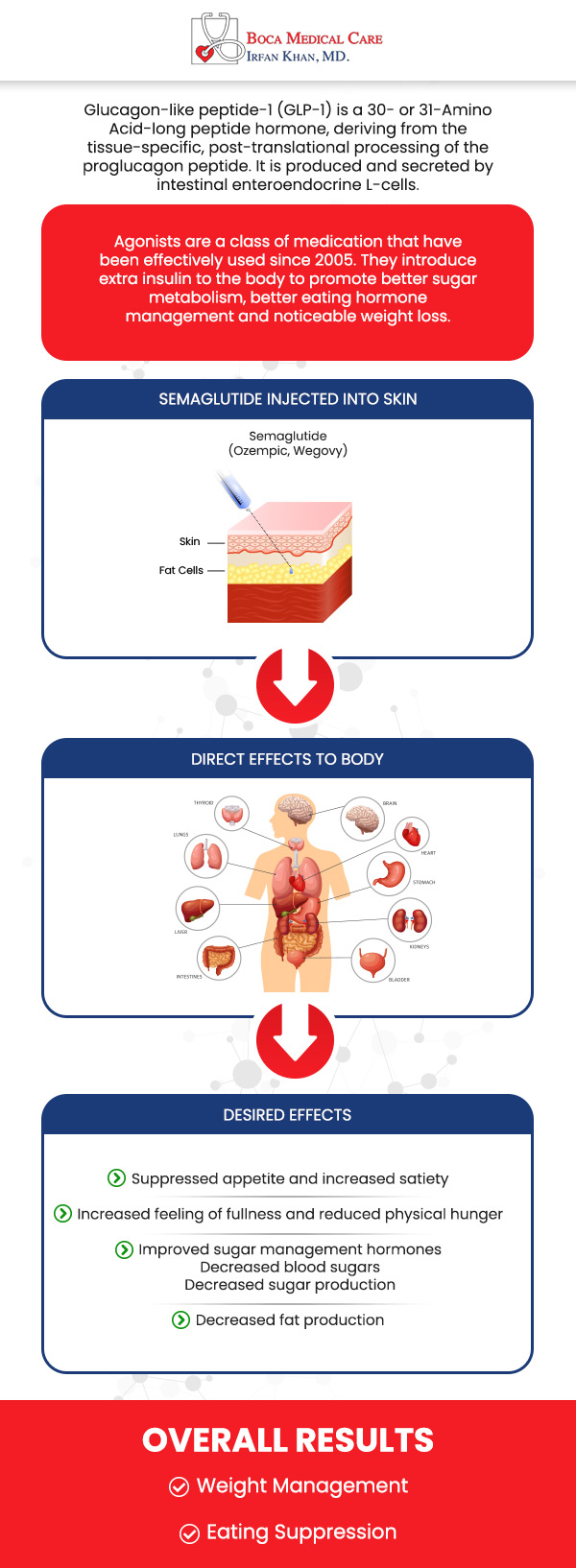
Table of Contents Understanding GLP-1 Agonists Exploring SGLT2 Inhibitors Comparing Benefits and Risks Best Practices in Clinical Decision-Making Conclusion FAQs Understanding GLP-1 Agonists GLP-1 receptor agonists, such as semaglutide (Ozempic), dulaglutide (Trulicity), and liraglutide (Victoza), have transformed diabetes care
[DOI] [PubMed] [Google Scholar] 140.Maggio A, Kattamis A, Felisi M, Reggiardo G, El-Beshlawy A, Bejaoui M, Sherief L, Christou S, Cosmi C, Della Pasqua O, Del Vecchio GC, Filosa A, Cuccia L, Hassab H, Kreka M, Origa R, Putti MC, Spino M, Telfer P, Tempesta B, Vitrano A, Tsang YC, Zaka A, Tricta F, Bonifazi D, Ceci A
This transient, noise-induced paradoxical phenomenon, which precedes the eventual silencing of auditory nerve fibers and synapses, may be characterized by (1) excessive glutamate release from IHCs, resulting in overactivation of receptors on auditory nerve fibers 66 , and (2) functional compensation by LOC efferent neurons, ensuring that auditory nerve activity is enhanced during periods of increased demand 67 , consistent with evidence suggesting that a primary function of LOC efferents is to reduce auditory neuropathy 68
Semaglutide directly targets pancreatic cancer-associated fibroblasts, inhibiting the expression and activity of collagen prolyl-4-hydroxylase (P4HA1), reducing collagen hydroxylation and ECM deposition


:max_bytes(150000):strip_icc():focal(742x202:744x204)/GLP1-Now-Affordable-052926-1d50af52042b44b79fc71edef280243d.jpg)