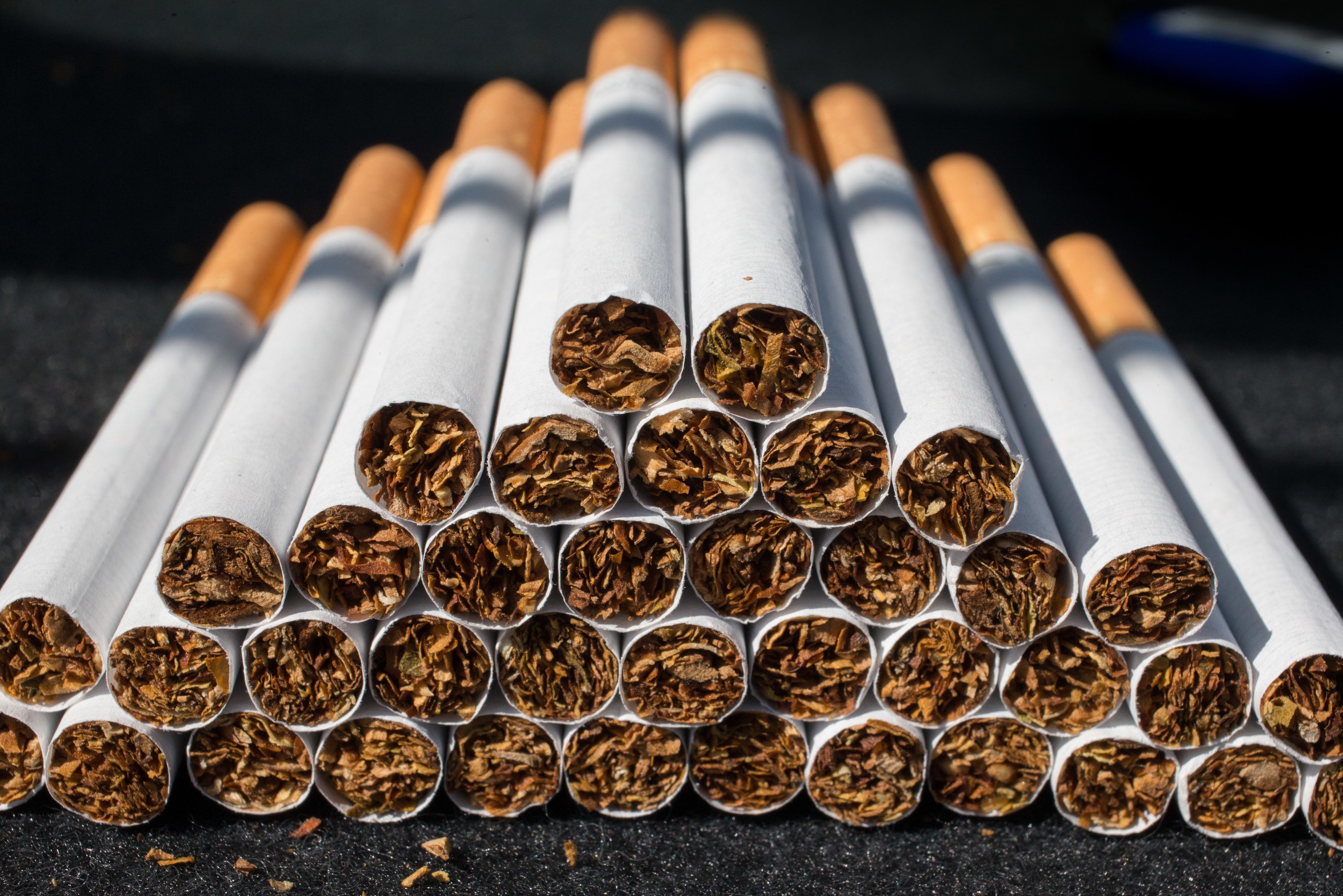
Additionally, some states require retailers to obtain specific licenses or permits to sell tobacco products, adding another layer of complexity to the regulatory landscape
The ruling has been campaigned for by the Prison Governors Association, who raise concerns about the impact of second hand smoke on prison officers
Counteracts A wide variety of products add scents and other materials formulated to modify fire odours or their perception. It also mentions in the guideline that counteractants may resolve odour situations where source removal or other processes are not feasible (Guidelines for Fire and Smoke Damage Repair, RIA, 2007)

Businesses That Typically Need the License Convenience stores and gas stations Smoke shops and cigar lounges Vape shops and e-cigarette stores Liquor stores carrying tobacco Grocery and drug stores selling cigarettes Vending machine operators Who Is Exempt The state retailer license requirement does not apply to: Stores selling only paraphernalia (papers, pipes, lighters) without any tobacco or nicotine Locations also licensed for cannabis sales (state law forbids both at the same site, and AB 8 reinforces this prohibition starting January 1, 2026) Manufacturers, distributors, and wholesalers (they need different CDTFA licenses, covered below) The Three Layers of California Tobacco Licensing California stacks three layers of regulation on tobacco retailers, and you must comply with all three: Skipping any one of these layers can shut your business down