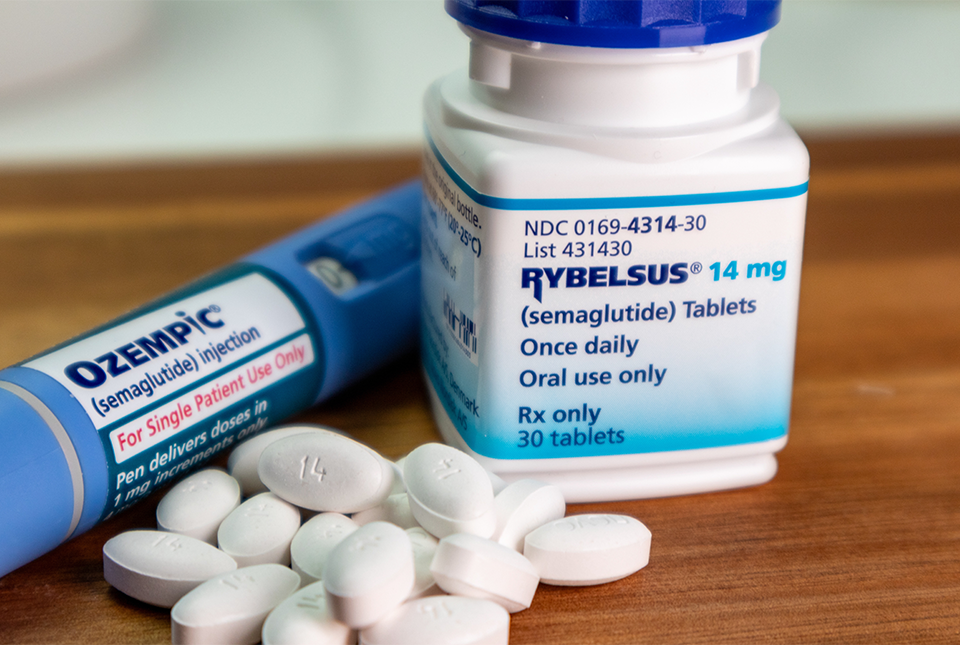
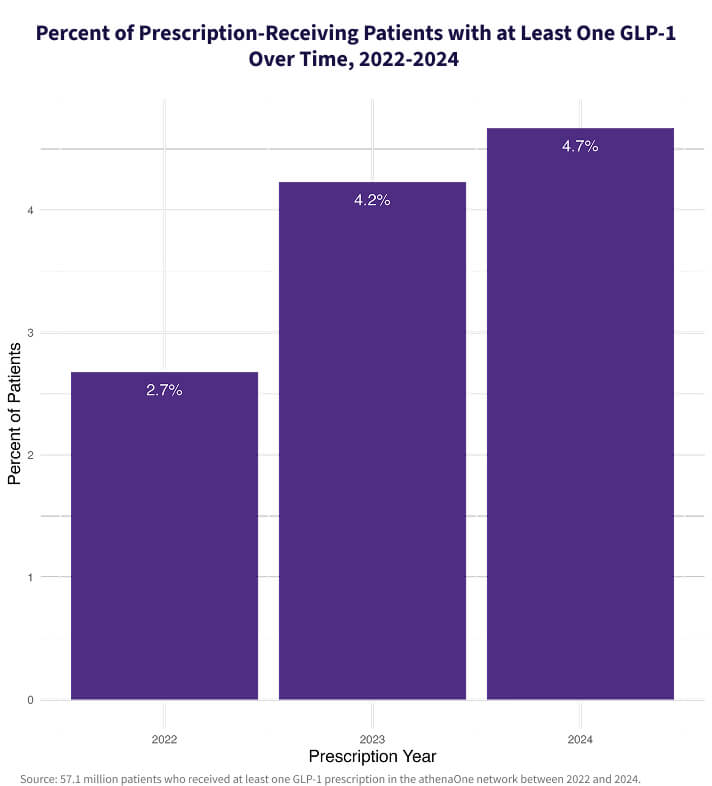
GLP-1 receptor agonist medications (including semaglutide, dulaglutide, liraglutide, exenatide, and lixisenatide) are typically considered for type 2 diabetes when: Triple therapy with other diabetes medications is not effective, not tolerated, or contraindicated The person has a BMI 35 kg/m (adjusted by 2.5 kg/m for people from South Asian, Chinese, other Asian, Black African, or African-Caribbean backgrounds) and specific weight-related psychological or medical problems A lower BMI threshold may be appropriate if weight loss would benefit other obesity-related comorbidities Insulin would not be appropriate or acceptable to the person Treatment is usually continued only if there is a beneficial metabolic response (reduction in HbA1c and weight) after 6 months
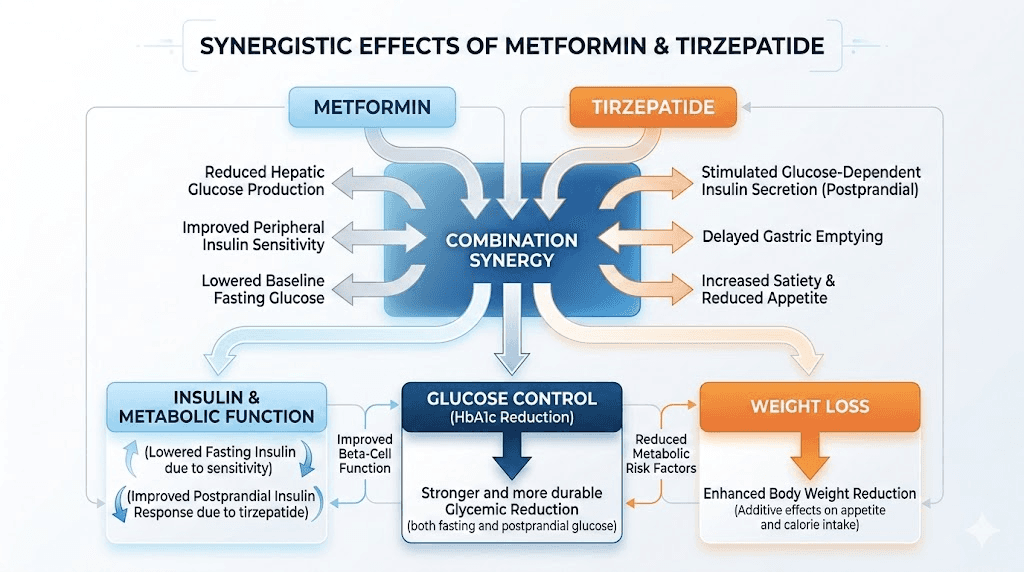
The percentage of individuals with a weight reduction of 5% was 85%, 89%, and 91% with 5 mg, 10 mg, and 15 mg of tirzepatide, respectively, and 35% with placebo
It produces less appetite suppression than semaglutide 2.4 mg in most patients
The following factors, in particular, cause the amount of glutathione in the body to drop rapidly: Chronic stress and time pressure: Prolonged mental or physical stress leads to increased production of free radicals