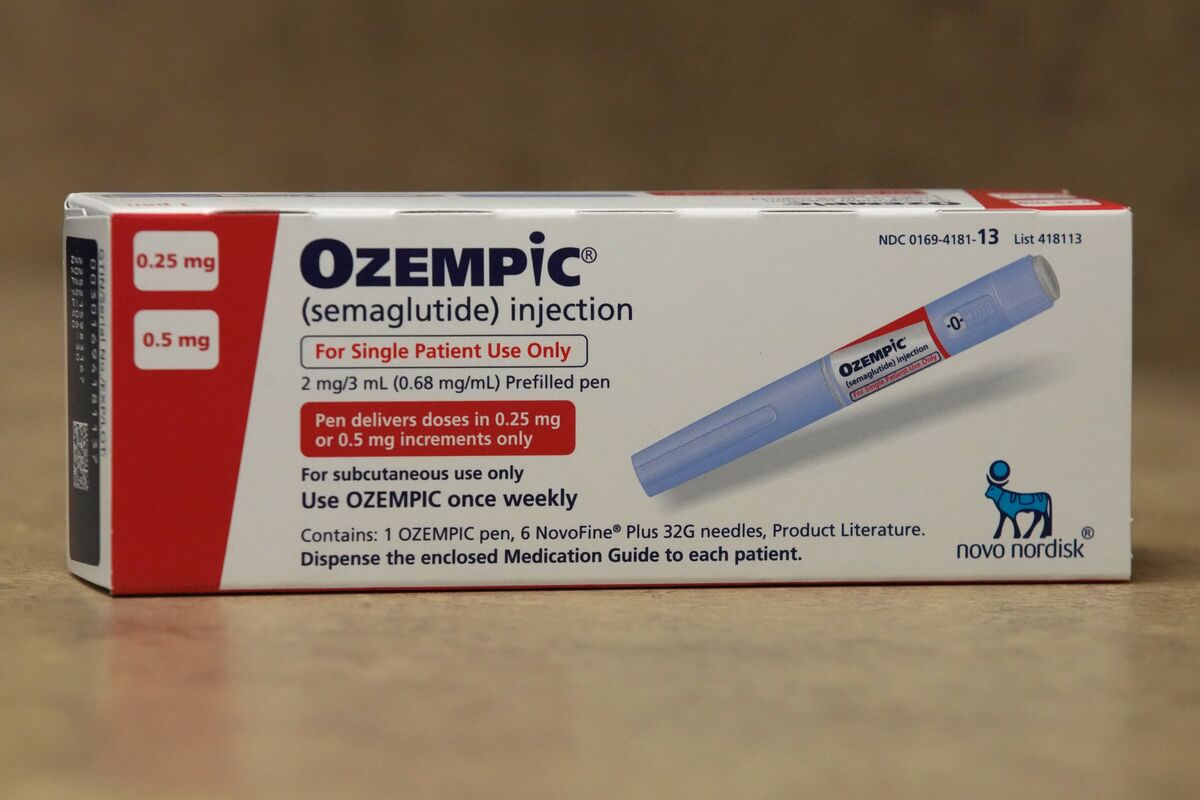
Studies Showing the Efficacy of Glucagon-Like Peptide-1 Receptor Agonists In addition to lowering HbA1c, GLP-1 RAs improve traditional cardiovascular disease risk factors such as obesity and hypertension, whilst also exerting anti-inflammatory and anti-atherosclerotic effects, and having positive direct modulatory effects on endothelial function
David Lau, a professor emeritus of medicine, biochemistry and molecular biology at the University of Calgary, is intrigued by this strategy as well
Instead of waiting for treatment failure, structured response evaluations permit: Timely intervention for early non-responders Preservation of patient motivation and engagement More efficient resource allocation Insurance and access considerations for AOMs Access limitations pose substantial barriers for GLP-1 non-responders seeking alternative treatments
It binds to specific strychnine-sensitive glycine receptors (GlyRs), opening chloride ion channels that allow negatively charged ions to flood into the neuron, thereby hyperpolarizing it