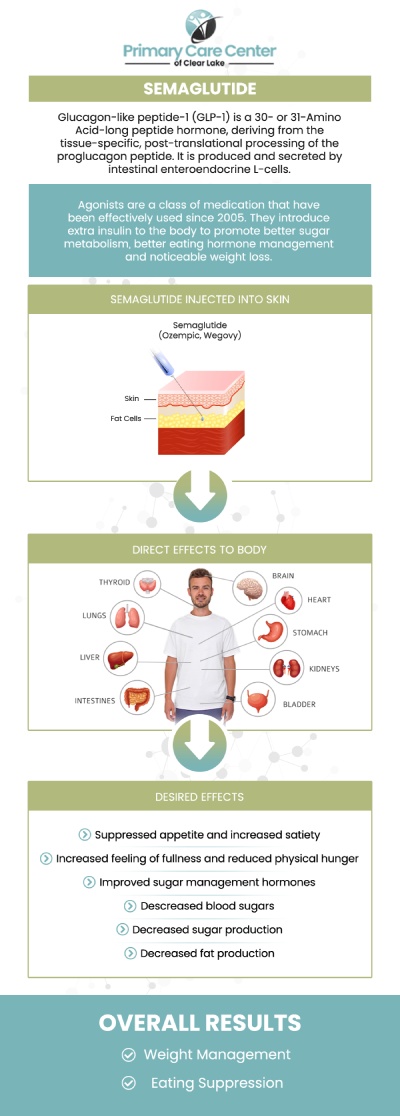
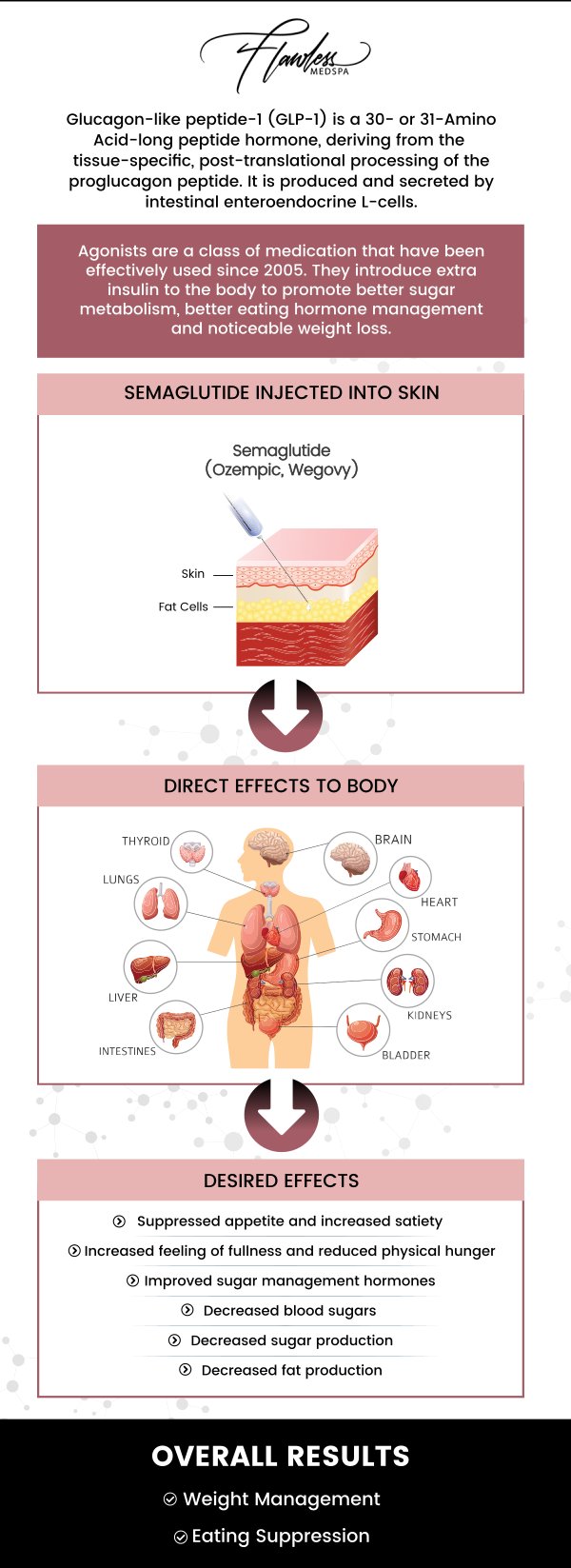
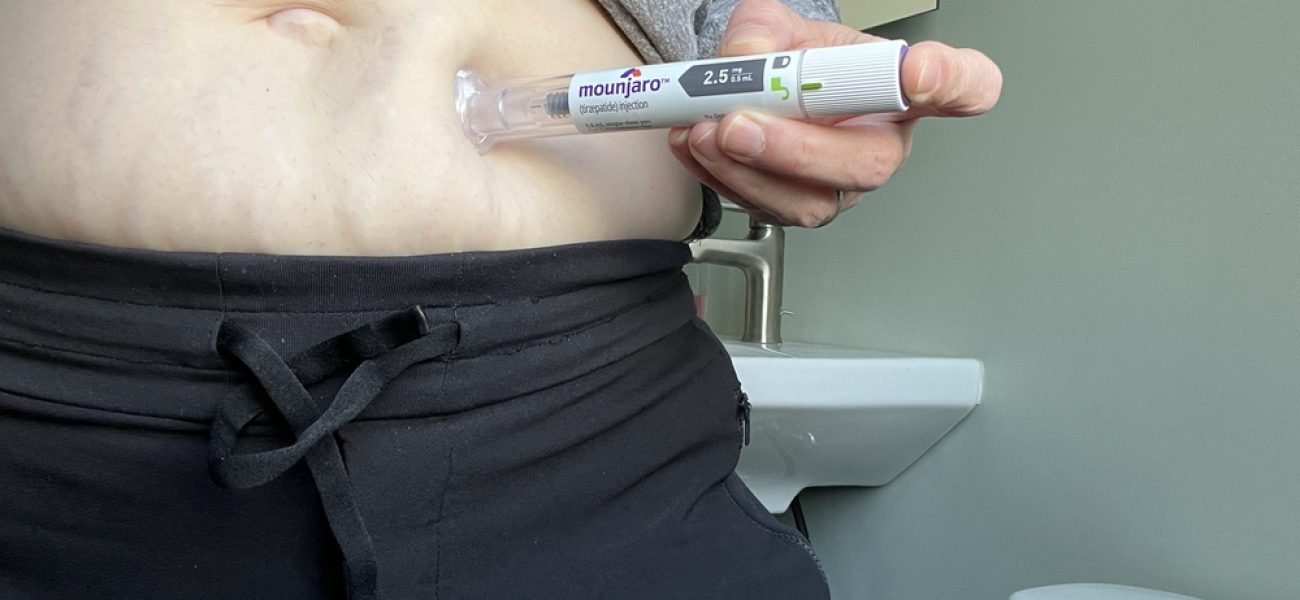
Key points Diabetes impacts about 37 million people in the United States, approximately 11.3% of the population Type 2 diabetes accounts for up to 95% of people with diabetes GLP-1 medications are also known as glucagon-like peptide-1 (GLP-1) agonists, GLP-1 receptor agonists, incretin memetics, or GLP-1 analogs GLP-1 medications lower blood sugars by binding and activating the GLP-1 receptors to enhance insulin secretion and synthesis from the pancreas by promoting beta cells, suppressing glucagon secretion, slowing gastric emptying, and reducing food intake by decreasing appetite GLP-1 medications used in combination with exercise can synergistically work together to lower blood sugar levels GLP-1 agonists, specifically dulaglutide, semaglutide, and liraglutide, have demonstrated cardiovascular reduction benefits based on large clinical trials Virtual care and questions about GLP-1 medications If you have type 2 diabetes and want to learn more about GLP-1 medications, consider speaking with a healthcare provider
This article covers the legal categories 503A pharmacies work within, what shifted when the FDA resolved the 2024 to 2025 shortages, how compounded products compare to brand, where common variations fit, and the genetics sitting upstream of it all
This guide covers evidence-based protocols, dosing ratios, timing strategies, and practical considerations for Canadian researchers exploring peptide synergies
Cell Mol Life Sci 71:549574