Mast cell activation syndrome (MCAS) flares up when mast cells, which are located throughout the body, inappropriately release excessive amounts of chemical mediators, such as histamine, in response to a trigger, including one or more of the following: Alcohol An allergen Certain chemicals Certain food items (which vary among individuals) Certain fragrances (such as perfume or cologne) Certain medications Exposure to sunlight Heat or cold Heavy metals Infection (bacterial, viral, or fungal) Mold/fungus When mast cells function as they should, they help defend the body against threats, such as harmful viruses, bacteria, and fungi
Show Notes & Resources: Join the Nourishing Autism Collective community for hands-on support with expanding your childs diet while honoring their sensory needs CLICK HERE to learn more
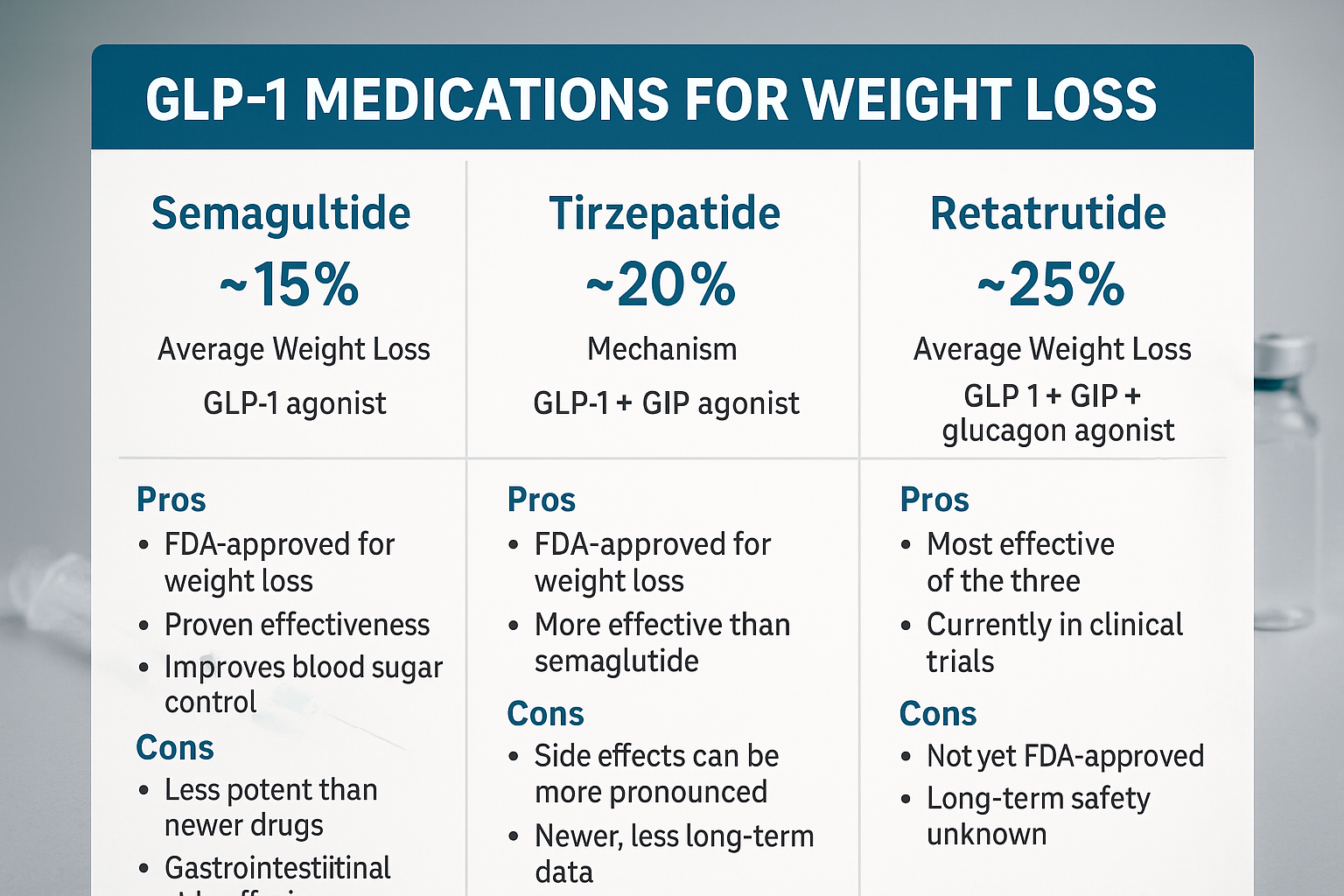
This dual mechanism is significant because, as mentioned earlier, tirzepatide maintained anti-inflammatory effects even when neuronal GLP-1 receptors were knocked out in animal models
Who might be a good candidate to discuss GHK-Cu with a clinician This is not medical advice