
Druckers team, the mechanism of anti-inflammatory action of GLP-1RAs was explored, revealing a key role for the CNS in regulating this anti-inflammatory effect.423 The study began by inducing inflammation in mice through the injection of various Toll-like receptor (TLR) agonists and then assessed the inflammation by measuring plasma tumor necrosis factor-alpha (TNF-) levels.423 It was observed that the GLP-1RA, exendin-4, significantly reduced the TNF- levels caused by various TLR agonists, indicating that exendin-4 can lower the TNF- levels induced by multiple TLR agonists.423 The research further demonstrated that this anti-inflammatory effect was not mediated by GLP-1R in the blood or endothelial cells but required the GLP-1R in the CNS
doi: 10.1113/jphysiol.1979.sp012613 20 Gonzlez-DomnguezR.Garca-BarreraT.Gmez-ArizaJ
It was a year defined by effect sizes, first-line shifts, and disease-modifying signals that are already changing real clinical decision-making
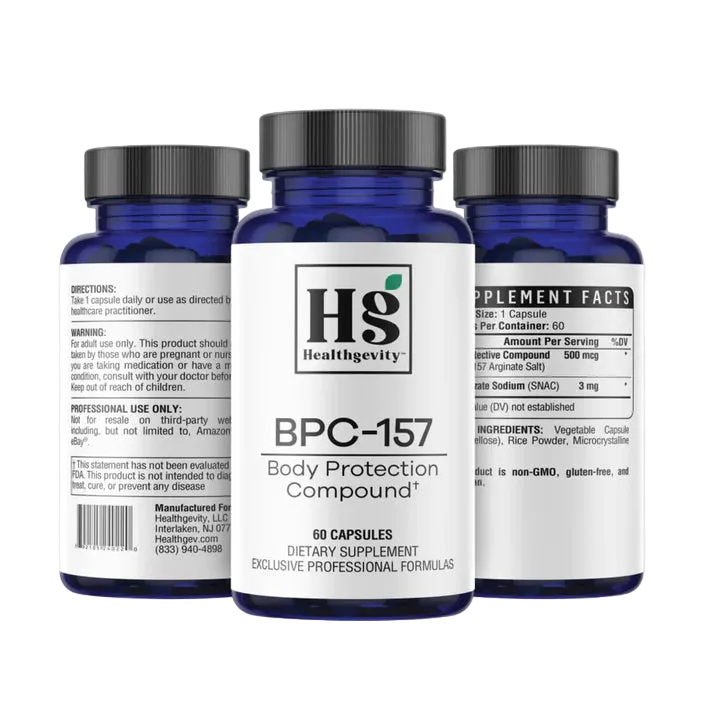
Because of its ability to promote healing of tendons to bone, nerve protection, and regeneration, and pain reduction at the location of an injury, patients have found BPC-157 to be helpful in treating minor and major injuries, and its a great therapy to consider after surgery to aid in recovery